2026 Best Vape Types How to Prevent Burnt Taste?

Time:2026-09-16 Author:Henry
0%

Vaping devices are no longer one uniform category. The 2026 market includes disposable vapes, closed pod systems, refillable pod kits, and adjustable tank devices. Each type heats e-liquid differently, so each can develop a burnt taste for different reasons. A disposable may overheat after repeated puffs, while a refillable tank may burn because its coil is dry or poorly primed. The detail matters.

Public Health England’s evidence reviews have consistently noted that vaping is not risk-free and should not be treated as harmless. The CDC and FDA’s 2024 National Youth Tobacco Survey reported approximately 1.63 million current youth e-cigarette users in the United States, reinforcing the need for responsible, age-appropriate information. Meanwhile, industry research from Euromonitor International shows continued growth across pod and disposable categories, making product education increasingly important. Market growth does not guarantee safer use.

So, how can users identify the warning signs early? The answer begins with understanding airflow, power, coil saturation, and e-liquid levels. How to prevent burnt taste in vapes often comes down to simple habits: keep the wick saturated, avoid long consecutive puffs, use the manufacturer’s recommended wattage, and replace worn coils promptly. A dry, darkened coil usually deserves replacement, not another adjustment. Stop using damaged or leaking devices.

Even careful users get this wrong. I have seen guides focus only on wattage, although airflow and puff frequency matter equally. That advice is incomplete. This guide compares major vape types, explains common overheating patterns, and examines practical prevention methods using manufacturer guidance, public-health evidence, and real-world device behavior.

2026 Best Vape Types How to Prevent Burnt Taste?

Understanding Vape Types and Their Heating Systems

2026 Best Vape Types: How to Prevent a Burnt Taste?

Understanding Vape Types and Their Heating Systems

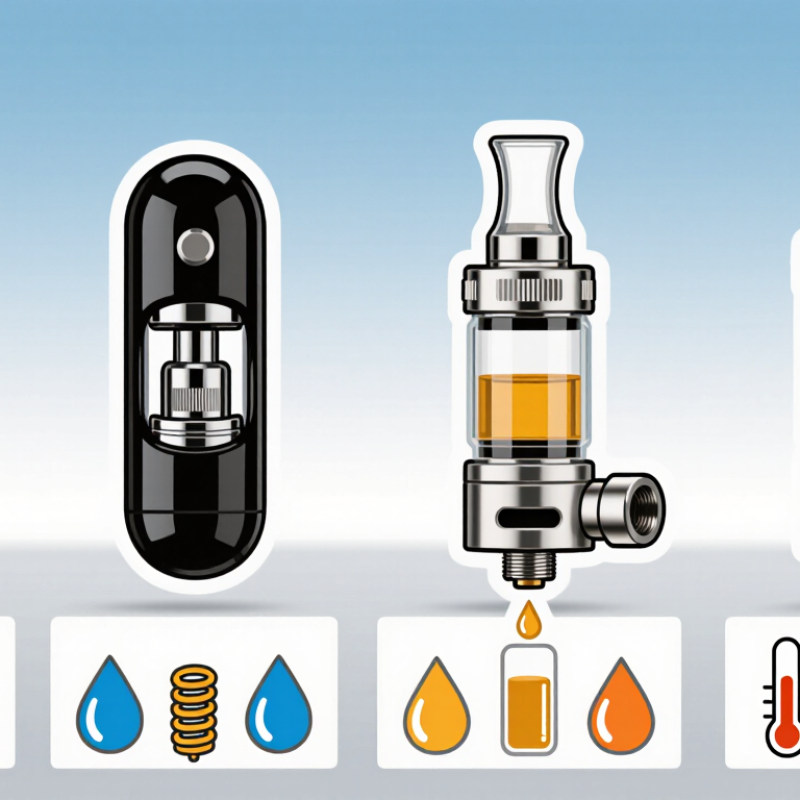
Different vape types use different heating systems, so the best choice depends on how you use them. Pod devices often use small coils and limited airflow. They heat quickly and suit shorter sessions. Tank devices usually hold more e-liquid and support adjustable power. Mesh coils spread heat across a wider surface, while standard wire coils create a more concentrated hot spot. Some devices use ceramic heating elements, but performance still depends on design and maintenance.

A burnt taste often means the heating material is drying out. Fill the tank before the cotton looks pale or dry. After installing a new coil, wait several minutes before vaping. Start at the lower suggested power level. Increase it slowly, if needed. Long, repeated draws can empty liquid around the coil faster than it can absorb. Leave a short pause between puffs. Check the airflow, too. Restricted airflow can make the coil hotter.

Small details matter.

In practical troubleshooting, a harsh taste that remains after refilling usually indicates a damaged coil. Replacing it is safer than repeatedly increasing power. I sometimes see users blame the e-liquid first, although overheating is often the real cause. This assumption is not always correct. Use only legal products in your location, follow the device instructions, and avoid modifying heating components. Adults should keep devices and e-liquids away from children and pets.

How to prevent a burnt taste: Keep the heating element adequately saturated, prime a new coil before use, avoid repeated long puffs, stay within the recommended power range, and replace darkened or damaged wicking material. E-liquid devices generally operate at lower temperatures than dry-herb and concentrate devices, while excessive heat or insufficient material flow can cause overheating in any system.

Choosing the Right Device, E-Liquid, and Coil

2026 Best Vape Types: How to Prevent Burnt Taste?

Choosing the Right Device, E-Liquid, and Coil

A burnt taste often means the coil is heating faster than the e-liquid can absorb. Choosing the right device helps prevent this problem. A lower-power device may suit beginners because it produces less heat and uses less liquid. Higher-power devices need careful airflow, suitable e-liquid, and steady wicking. Read the device instructions before changing settings. Small details matter.

E-liquid thickness also affects coil performance. Liquids with more vegetable glycerin can create dense vapour, but they may move slowly through small coil openings. A thinner liquid may work better in compact devices. Check the recommended liquid range for the coil. Do not guess. I have found that rushing this choice often causes dry hits, even when the device seems fully filled.

New coils need time to absorb liquid. Fill the tank, wait several minutes, and begin at the lower end of the suggested power range. Avoid repeated puffs without pauses. If the flavour becomes harsh, stop using the device and inspect the coil. A darkened coil usually needs replacement, not extra power. Keep the mouthpiece and airflow clean, too. I sometimes overlook that simple step. Use only legally sold products, follow local age and safety rules, and never use damaged batteries or leaking devices.

Preparing a New Coil Before First Use

A new coil should never be used dry. For adults who vape legally, turn the device off before installation. Check the coil for damaged wire, loose cotton, or unusual discoloration. Add a few drops of e-liquid directly onto the visible cotton openings. Do not flood the center tube. Excess liquid may cause gurgling and leaks.

Fill the tank slowly, then let it stand for five to ten minutes. The cotton needs time to absorb liquid fully. Set the device near the lower end of the recommended power range. Take two gentle, unpowered draws if the device allows it. Then use short puffs with several seconds between them. Increase power gradually, never forcing a harsh or hot inhale.

I used to rush this step. That mistake created a burnt taste within minutes. If the first puff tastes dry, stop immediately and wait longer. A burnt coil rarely recovers. Replace it instead of repeatedly increasing the power. Persistent burning can also come from thick liquid, restricted airflow, chain vaping, or an incorrect setting. Keep the tank above the minimum fill line, and follow the coil maker’s instructions when they differ. Even careful preparation is not perfect every time.

Maintaining Proper E-Liquid Levels and Vaping Settings

A burnt taste usually signals a dry coil, excessive heat, or both. For refillable pod systems and tanks, keep e-liquid above the coil’s intake openings. Check the level before every session, especially after carrying the device horizontally.

A nearly empty tank can look usable while the wick remains partly dry. Wait five to ten minutes after filling a new coil. The liquid needs time to saturate the wick.

Use the lowest recommended power setting, then increase gradually if needed. Long, repeated puffs can outpace liquid delivery. Leave a short pause between puffs.

The 2018 National Academies report found that aerosol emissions vary with device design, power, and user behavior.

Public Health England’s 2018 evidence review also linked overheating and “dry puff” conditions with sharply increased carbonyl emissions. That matters beyond taste. A burnt cotton note is a warning, not a flavor profile.

Replace a darkened or damaged coil, and never continue testing it. I sometimes see users raise wattage to fix weak vapor; that often worsens the problem.

Airflow, liquid thickness, and coil age also interact, so one setting cannot suit every device. Use only compatible e-liquid, and never refill products designed for single use.

Identifying and Preventing the Causes of Burnt Taste

2026 Best Vape Types: How to Prevent a Burnt Taste?
Identifying and Preventing the Causes of Burnt Taste

A burnt taste usually means the coil is heating faster than the liquid can reach it. This can happen in pods, tanks, and other legal vaping devices. Low liquid levels expose the wick, creating a dry, harsh puff. High power settings can cause the same problem, especially with thin coils. Check the device instructions before changing settings.

A practical fix starts with the coil. Add liquid slowly, then let a new coil sit for five to ten minutes. Take gentle puffs first. Avoid repeated draws without pauses. The wick needs time to absorb more liquid. Keep the airflow clear, because restricted air can make the coil run hotter. A damaged or darkened coil should be replaced rather than rescued.

Small habits matter. Store the device upright when possible. Clean spilled liquid from the contacts and mouthpiece. Do not continue using it after a sharp burnt smell appears. I once increased power to make vapor warmer, but the taste worsened within minutes. That mistake showed me that stronger settings are not always better. Follow the manufacturer’s guidance and local age and safety requirements.

2026 Best Vape Types: How to Prevent Burnt Taste? — Identifying and Preventing the Causes of Burnt Taste

Vape Type Typical Heating System Common Burnt-Taste Causes Early Warning Signs Practical Prevention Steps When to Replace the Coil or Device Burnt-Taste Risk
Closed Pod System Pre-filled, factory-sealed pod with a built-in coil The pod is nearly empty, the device is used repeatedly without pauses, or the coil has reached the end of its service life. Reduced vapor, weaker flavor, a dry sensation, or a sharp toasted taste. Replace the pod before it is completely dry; avoid rapid consecutive puffs; store the device upright when possible; keep it away from excessive heat. Replace the entire pod when the flavor remains burnt or vapor production stays unusually low. Low to Medium
Open Pod System Refillable pod using a replaceable or integrated coil Insufficient e-liquid, a newly installed coil that was not saturated, overly thick liquid, excessive power, or chain vaping. Crackling followed by dryness, inconsistent vapor, harsh throat sensation, or darkening liquid near the coil. Fill above the minimum level; allow a new coil to soak for approximately 5–10 minutes; use the recommended power range; pause between puffs; avoid blocking airflow. Replace the coil when the burnt flavor persists after refilling and allowing adequate saturation. Medium
Refillable Tank Replaceable coil head installed inside a larger e-liquid tank High wattage, restricted e-liquid flow, low tank level, an incorrectly fitted coil, or heavy use of sweetened e-liquid that leaves residue. Burnt or caramelized flavor, noticeable drop in vapor, leaking around the coil, or a rapid change in flavor quality. Start at the lower end of the coil’s stated wattage range; prime the coil thoroughly; keep the tank sufficiently filled; clean the tank regularly; maintain open airflow. Replace the coil when the taste remains burnt, the cotton appears dark, or performance declines despite correct liquid level and power. Medium
Mesh-Coil Tank Flat or expanded mesh heating element with a larger contact area Excessive power, insufficient liquid reaching the mesh, poor priming, or residue buildup from frequent use of heavily sweetened e-liquid. Sudden dry hits, muted flavor, uneven heating, or a burnt taste after increasing power. Prime all visible cotton areas; begin below the maximum stated wattage; increase power gradually; wait between puffs; keep the tank filled. Replace the mesh coil if the burnt flavor continues or the cotton is visibly discolored. Medium
Rebuildable Tank Atomizer User-installed wire or mesh coil with replaceable wicking material Uneven coil heating, poorly positioned wick, insufficient wicking, excessive power, or a dry wick after installation. Hot spots, uneven vapor, popping, localized scorching, or a burnt taste immediately after a rebuild. Check coil resistance and heating evenly at low power; position and thin the wick correctly; saturate the wick completely; use a suitable power level; inspect for damaged insulation. Rewick or rebuild when the wick is scorched, the coil has heavy residue, or the taste cannot be corrected through cleaning and adjustment. Medium to High
Rebuildable Dripping Atomizer User-installed coil with e-liquid applied directly to exposed wicking material The wick has dried between applications, power is too high, or the coil is used repeatedly without reapplying e-liquid. A rapid transition from normal flavor to a dry, hot, or strongly burnt sensation. Reapply e-liquid before the wick dries; use controlled power; inspect the wick frequently; stop immediately when a dry-hit sensation appears. Replace or rewick whenever the cotton is scorched, stiff, or permanently discolored. High
Disposable Vape Pre-filled device with a non-replaceable battery and coil The e-liquid supply is depleted, the coil is worn, the device is used continuously, or it has been stored in high temperatures. Decreasing vapor, a blinking indicator, weaker flavor, unusual heat, or a persistent burnt taste. Do not continue using it after a persistent burnt taste; avoid covering the airflow; keep it away from direct sunlight and hot vehicles; follow local disposal requirements. Replace the device when the liquid is depleted, performance falls sharply, or the burnt taste remains. Low to Medium
Temperature-Control Device Regulated heating that limits coil temperature when correctly configured Incorrect coil material selection, unsuitable settings, poor contact, insufficient wicking, or use outside the configured temperature range. Repeated temperature warnings, inconsistent vapor, dry-hit protection activating, or a harsh taste. Use only compatible coil materials; configure the resistance when the coil is cool; keep the wick saturated; confirm the device settings before use. Replace the coil or wick if the taste remains burnt after correcting settings and restoring adequate saturation. Low when correctly configured
High-Power Sub-Ohm Setup Low-resistance coil operated at comparatively high wattage Power exceeds the coil’s recommended range, airflow is restricted, the wick cannot keep up with liquid demand, or the user takes long repeated puffs. Excessive heat, rapid liquid consumption, dry hits, reduced flavor, or a burnt taste after long draws. Follow the coil’s stated wattage range; begin at a lower setting; keep airflow unobstructed; use adequate wicking; take shorter puffs with recovery time between them. Replace the coil when burnt flavor persists or the wick is visibly scorched. High
Nicotine-Salt Pod Setup Usually a lower-power pod with a compact coil Low liquid level, rapid repeated use, an unsuitable e-liquid formulation, excessive power, or a coil that has not been primed. Dryness, harshness, reduced flavor, or a toasted taste despite the device still producing vapor. Use only the e-liquid type recommended for the device; avoid excessive power; prime replacement pods or coils; pause between puffs; keep the pod adequately filled. Replace the pod or coil when the burnt taste does not disappear after proper filling and saturation. Medium

Safety note: A persistent burnt taste usually indicates overheated or inadequately saturated wicking material. Stop using the device, allow it to cool, and inspect or replace the pod, coil, wick, or device as appropriate. Vaping products may contain nicotine, which is addictive, and are not risk-free. Keep all products and e-liquids away from children and pets.

FAQS

How do pod and tank devices differ?

Pod devices usually have smaller coils and tighter airflow. They heat quickly and suit shorter sessions. Tank devices hold more liquid and often allow power adjustments.

Why does a burnt taste develop?

The heating material may be too dry. Liquid cannot reach the coil quickly enough. Long draws and repeated puffs can worsen dryness.

How can a new coil be prepared?

Fill the tank with suitable liquid. Wait several minutes before vaping. Start at the lowest suggested power setting. Increase slowly, if needed.

What does e-liquid thickness change?

Thicker liquid may move slowly through small coil openings. A thinner liquid may suit compact devices better. Check the coil’s recommended liquid range.

Why should users pause between puffs?

Short pauses give the coil time to absorb more liquid. Without pauses, the surrounding material can dry out. Small details matter.

What should someone do when the harsh taste remains?

Stop using the device and inspect the coil. A darkened coil usually needs replacement. Increasing power repeatedly is not a real fix.

Can airflow affect coil temperature?

Yes, restricted airflow can make the coil hotter. Keep the airflow clear and clean the mouthpiece regularly. I sometimes overlook this simple step.

What safety checks should adults remember?

Use only legally sold products in your location. Follow the device instructions and local age rules. Do not use damaged batteries or leaking devices. Keep them away from children and pets. Mistakes happen.

Conclusion

Different vape types use different heating systems, so understanding how tanks, pods, and coils work is the first step toward avoiding a burnt taste. How to prevent burnt taste in vapes begins with choosing a suitable device, e-liquid, and coil combination. The liquid’s thickness should match the coil, while the coil’s recommended power range should suit the device and the user’s vaping style. A new coil should always be saturated with e-liquid and allowed to rest before the first use, helping the wick absorb enough liquid.

Keeping the e-liquid level above the coil’s minimum point is equally important. Avoid taking repeated puffs too quickly, and use moderate settings instead of excessive heat. A burnt flavor may result from a dry wick, insufficient liquid, an overused coil, or power settings that are too high. Regularly checking the coil, refilling the device, and replacing damaged or worn components can help maintain cleaner flavor and smoother performance.ข้อความเต็ม

Henry

Henry

Henry is a dedicated marketing professional with a profound expertise in the company's offerings. With years of experience in the industry, he possesses an impressive understanding of the market dynamics and consumer behaviors that drive success. Henry is committed to sharing his insights through......