Choosing a dependable vape supplier takes more than comparing prices. Buyers need consistent product information, responsive support, and clear quality controls. This guide introduces ten China-based suppliers and explains practical checks behind a fair comparison. The “top 10” label is a starting point, not a guarantee of quality or suitability. We compare sourcing transparency, product range, communication, and documentation where available. Quality should be visible. Still, supplier claims deserve independent review. A careful buyer asks direct questions and keeps written records. No ranking is perfect, and supplier fit depends on your market and support needs. The supplier profiles support research, but they cannot replace sample testing or your own checks. Product specifications can change. Verify current details directly with each company before placing an order.
A device that does not fire can be frustrating, especially when its screen stays dark. Before assuming a serious fault, check the charge level, connection, and any visible residue. How to troubleshoot a vape that won’t fire starts with the device manual and simple, low-risk checks. Keep it simple. Use manufacturer-approved charging equipment, and never force a stuck part or open a battery. Stop using the device if it becomes unusually hot, leaks, or shows physical damage. These steps can identify common issues, but they cannot confirm every internal fault. Not every repair is worth attempting. That matters. The following guidance focuses on basic checks and sensible safety decisions, not improvised repairs or unsupported claims.
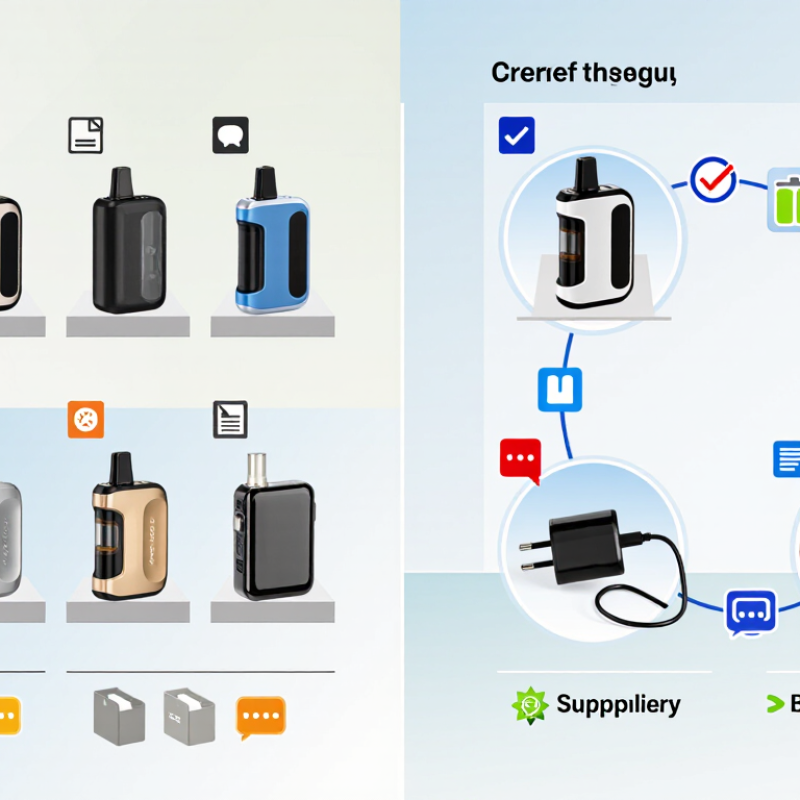
China’s vape supply landscape is not one uniform factory floor. It includes component makers, assembly teams, packaging vendors, and testing services. In supplier reviews, ask who controls each step. A neat catalog proves little. Request a process map, sample records, and clear answers about battery sourcing, coil consistency, and device inspection. Look for repeatable checks, not polished promises. Small details matter: a batch code should match production paperwork, and sample units should behave consistently across several draws. That is useful evidence, though not a guarantee.
Experienced buyers also compare communication and corrective action. Ask how a supplier handles a failed activation test, uneven airflow, or a charging fault. A reliable team should explain its inspection method and provide a documented response, rather than blaming the user. Check whether test conditions are stated; results without them are hard to compare. Keep a retained sample and record the date, settings, and observations. It takes time. Still, it helps distinguish a one-off defect from a wider pattern. Supplier evaluation is rarely tidy. Some records may be incomplete, and that deserves follow-up, not an assumption of bad faith. A careful review weighs product consistency, traceability, and honest limits together.
Scope: This is a practical, non-ranked supplier evaluation scorecard, not a list of named companies. Supplier capabilities and legal requirements vary; verify documents, product specifications, and applicable rules for the destination market before placing an order.
| Evaluation Dimension | What to Verify | Evidence or Practical Check |
|---|---|---|
| 1. Product and component scope | Confirm whether the supplier offers finished devices, batteries, tanks, coils, or other components, and whether the quoted product matches your required configuration. | Request a written specification sheet, bill of materials where available, and a sample matching the quotation. |
| 2. Manufacturer or trading role | Establish whether the seller manufactures the product, subcontracts production, or acts as a trading company. A trading role is not automatically a disadvantage, but responsibilities should be clear. | Ask who controls production, inspection, warranty handling, and change approval; compare the answers with the contract and business documentation. |
| 3. Regulatory documentation | Check the rules for the destination market. No single certificate or document establishes compliance in every country or for every product. | Request applicable reports, declarations, and test records; verify the issuing body, product model, scope, dates, and market coverage independently. |
| 4. Battery safety information | For products containing lithium batteries, review battery specifications, protection features, charging instructions, and transport documentation relevant to the shipment. | Match battery details to the exact model and request applicable safety and shipping records. Do not rely on a document for a different product. |
| 5. Quality control process | Understand how incoming materials, production steps, and finished goods are checked, and how defects or corrective actions are recorded. | Ask for the inspection plan, sample inspection records, defect-handling process, and agreed acceptance criteria. |
| 6. Sample and specification consistency | Confirm that mass-production goods will match the approved sample in materials, dimensions, electrical characteristics, and included accessories. | Approve a documented “golden sample” and require written approval for material or design changes. |
| 7. Capacity and lead-time planning | Assess whether the supplier can meet the requested quantity and schedule. Capacity and lead times depend on the product, season, and component availability. | Request a dated production schedule, component-risk plan, and written confirmation of the order quantity and delivery milestones. |
| 8. Traceability and change control | Check whether production lots can be identified and whether changes to components, materials, or manufacturing sites are communicated. | Ask how lot codes are assigned, how records are retained, and whether changes require buyer approval before implementation. |
| 9. Packaging and export readiness | Confirm packaging, labeling, language, and shipping arrangements meet the destination market and carrier requirements. | Review final artwork and carton details; have the forwarder confirm applicable transport documentation and packing requirements. |
| 10. Commercial terms and after-sales support | Clarify payment milestones, inspection rights, warranty scope, spare-parts availability, and the process for resolving nonconformities. | Put product specifications, tolerances, remedies, and communication responsibilities in the purchase agreement. |
Safety first: Do not dismantle or puncture a vape battery. Stop using the device if it is unusually hot, swollen, leaking, physically damaged, or smells burnt. Follow the manufacturer’s instructions and local disposal guidance.
| Symptom | Safe Check | What to Do |
|---|---|---|
| Device appears completely dead | Check whether the device is rechargeable, whether its battery is depleted, and whether the charging cable and power source work. | For a rechargeable device, use the manufacturer-recommended charging method. Do not leave it charging unattended or use a damaged cable. Replace a non-rechargeable disposable rather than attempting to recharge it. |
| Device lights up but produces no vapor | Check for blocked airflow, a closed airflow control, a loose removable pod or tank, or an empty cartridge. | Clear visible lint from the airflow opening without inserting sharp objects. Re-seat removable parts according to the manual and replace an empty or faulty pod or coil with a compatible one. |
| Button-activated device does not respond | Check the user manual for the device’s activation or lock procedure; button patterns differ by model. | Unlock it only as specified by the manufacturer. If it remains unresponsive, stop using it and contact the seller or manufacturer for support. |
| Draw-activated device does not respond | Check whether the airflow sensor opening is visibly obstructed and whether the mouthpiece or pod is seated correctly. | Gently remove external debris with a dry cloth. Avoid liquids or sharp tools in the sensor opening. Replace the pod or device if the fault persists. |
| Intermittent firing or a burnt taste | Check for a loose connection, a depleted pod, or a newly installed coil that has not been prepared as directed. | Turn the device off before reseating removable parts. Follow the coil or pod instructions; if the taste remains burnt, replace the affected part and do not continue using it. |
Evaluation reminder: Compare suppliers using the same product specification, destination-market requirements, inspection criteria, and written commercial terms. Treat unverified claims about certifications, capacity, or test results as items to check—not as established facts.
Look beyond unit price. Check current quality certificates, traceable component records, battery-safety tests, defect handling, lead times, and written warranty terms.
Ask for samples from the production line planned for bulk orders. Compare airflow, charging, pod fit, and overall consistency.
Clear written terms help when devices fail or batches vary. Vague replies are a warning, but not proof of poor quality.
Confirm the charge, reseat the pod, and wipe visible contact points with a dry cloth. Keep liquid away from the charging port.
It may signal a low battery, a poor connection, or a safety cutoff. The meaning varies by device.
No. An interrupted battery contact, coil connection, or airflow sensor can also prevent firing. A quick diagnosis can be wrong.
Stop using it and seek qualified support. Do not open a sealed battery or bypass its safety features.
Use a simple scorecard for samples, defects, lead times, and warranty terms. Helpful, but imperfect; a scorecard can miss context.
China’s vape supply landscape includes manufacturers and suppliers with different strengths in product consistency, quality controls, technical support, production capacity, and communication. Comparing potential suppliers involves looking beyond price: buyers should consider clear product specifications, reliable testing procedures, dependable delivery, responsive service, and the ability to maintain consistent standards. A careful evaluation helps clarify how suppliers operate and what support they can offer.
A vape’s firing system typically depends on a charged battery, functioning electrical connections, and an activated sensor or control mechanism. How to troubleshoot a vape that won’t fire: check that the device is charged, inspect the mouthpiece and air path for blockage, confirm that removable parts are seated correctly, and look for visible damage or unusual heat. Follow the device’s instructions and avoid opening or modifying it. If basic checks do not resolve the issue, or the device is damaged, leaking, or overheating, stop using it and seek qualified repair or replacement.

 Trivapix Vape