How to Choose Vape Accessories Wisely begins with a simple rule: compatibility matters more than appearance. A sleek tank or bright charger may catch your eye, but it should match your device’s specifications. Check the manufacturer’s guidance before buying. Confirm the connector type, supported power range, and recommended charging method. Small details matter.
Dr. Konstantinos Farsalinos, a physician and e-cigarette researcher, is known for advocating evidence-based assessment of vaping products. A concise paraphrase of that approach for accessories is: Choose verified compatibility over hype. This is a paraphrase, not a direct quotation. It points to a practical habit: look for clear product information, reputable sellers, and components intended for your specific device. Avoid damaged batteries, improvised chargers, and accessories with vague safety claims. If a listing cannot explain what a part fits, pause.
Good choices are often less exciting. A properly matched coil, an intact charging cable, and a clean, well-fitting mouthpiece can matter more than a bundle of extras. Read the instructions, inspect parts for damage, and replace anything that looks worn. Not every accessory improves the experience; some may simply add cost or confusion. That is worth reflecting on. This guide will help readers compare essential accessories, assess quality signals, and make careful decisions without relying on flashy claims.
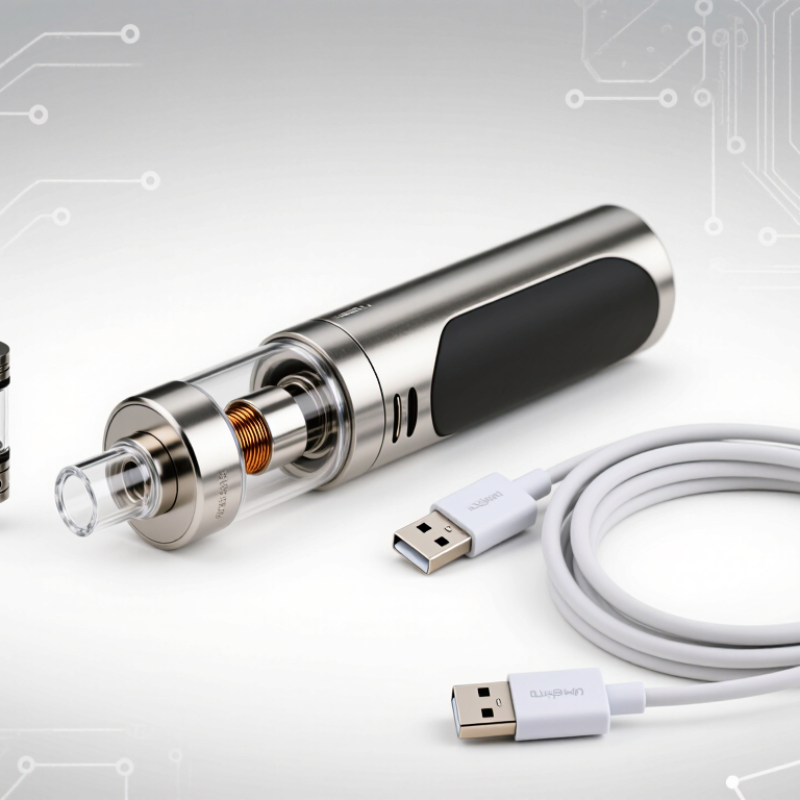
Before buying accessories, identify the exact type and model of your vape device. Check the label, packaging, or user manual; similar-looking devices may use different connections or parts. Small details matter. Note the battery type, tank or pod design, and any listed operating limits. A coil that fits physically may still fall outside the device’s recommended resistance range.
Compatibility is more than a matching shape. Compare the accessory’s connection, dimensions, and specifications with the device manual. For batteries and chargers, follow the manufacturer’s stated requirements rather than relying on appearance. If a part feels loose, requires force, or produces an unexpected change in operation, stop using it and recheck the instructions. I once assumed a familiar-looking connector would fit; it did not. Guessing can waste money, and may create avoidable safety risks.
Tips: Keep a photo of the device label and manual details on your phone. Check the exact model number before ordering, and ask a qualified retailer when specifications are unclear. Do not guess. Replace damaged accessories only with compatible parts, and inspect seals and connections for wear. Some manuals are vague, so verify uncertain details instead of treating a near-match as proof.
For adults who already vape, begin with a simple inventory: where you use your device, how often, and what tends to interrupt you. A commute may call for a protective case and a compatible spare pod; home use might make a small cleaning tool more useful. Keep it simple. The CDC’s 2022 report, “Tobacco Product Use Among Adults—United States,” estimated that 6.0% of U.S. adults currently used e-cigarettes. That figure describes prevalence, not accessory preferences, so let your own routine—not a trend—guide your choices.
Check your device manual before buying replacement parts. A pod, coil, or charging cable must match the device; a near-match may fail or leak. Use the charging equipment specified by the manufacturer, and stop using damaged equipment. If you carry a device, a case can help protect it from keys and pocket debris. But extra gear is not always useful. A drawer full of unused parts is a sign that the choices may not fit your habits. Ask whether each accessory solves a recurring problem before adding it to your kit.
| Accessory | Best Match for Your Needs | What to Check Before Buying | Care and Safety Considerations |
|---|---|---|---|
| Replacement coils or pods | People who need replacements for a compatible refillable device. | Confirm the exact device model and supported coil or pod type. Check resistance and operating guidance in the device manual. | Replace worn or damaged parts. Follow the manufacturer’s priming instructions where applicable, and stop using a part that leaks or performs abnormally. |
| Charging cable or power adapter | People who need a replacement charging connection or a spare for travel. | Match the connector and charging specifications stated for the device. Avoid relying on appearance alone to judge compatibility. | Use an undamaged, appropriate charger. Charge on a stable surface, keep the device away from heat and flammable materials, and do not leave it charging unattended. |
| External battery charger | Users whose device is designed to use removable rechargeable cells. | Check that the charger supports the cell type and size specified by the device or cell manufacturer. | Inspect cells for dents, tears, or other damage before charging. Do not charge damaged cells, and do not carry loose cells with metal objects. |
| Protective battery case or sleeve | People carrying removable cells outside a device. | Choose a case that fits the cell securely and keeps its terminals covered. | Never store or transport loose batteries in a pocket or bag where keys, coins, or other metal objects could contact the terminals. |
| Carrying case | People who want to organize a device and its accessories while travelling. | Check the internal dimensions, compartments, and closure. Choose a design that keeps liquids upright and separates small parts. | Keep the device switched off when appropriate, protect it from heat and impact, and follow local rules for carrying or using vaping products. |
| Cleaning supplies | Users who need to remove residue from reusable, manufacturer-approved parts. | Use only materials and cleaning methods permitted by the device instructions. Avoid abrasive tools that could damage seals or contacts. | Disconnect or switch off the device before cleaning. Keep liquid away from electronics and allow cleaned parts to dry fully before reassembly. |
| Spare seals or glass components | Users replacing a worn seal or a damaged, replaceable tank component. | Confirm the component is made for the exact tank or device version and that its dimensions match. | Do not use cracked glass or damaged seals. Check for leaks after reassembly and keep replacement parts away from children and pets. |
| Drip tip or mouthpiece | Users seeking a replacement for a damaged or missing mouthpiece. | Check the connection type, dimensions, and compatibility with the device. Choose a material intended for the product’s use. | Keep the mouthpiece clean and do not share it. Replace it if cracked, loose, or otherwise damaged. |
Before choosing: Check the device manual and local regulations, and buy only accessories clearly specified as compatible. Vaping carries health risks; people who do not use tobacco or nicotine should not start, and nicotine products should be kept away from children and pets.
When comparing vape accessories, look beyond polished photos and bright colors. Check what each part is made from and whether the material suits its intended use. A mouthpiece should have a smooth finish, with no sharp edges or chemical odor. For parts that touch liquid, look for clear material details and care instructions. “Food-safe” alone does not explain how a material performs with heat or repeated cleaning. Small details matter.
Build quality shows up in the places sellers rarely photograph. Inspect seams, threading, seals, and cable connections. A cap that sits evenly and a connector that turns without grinding are useful signs. Avoid accessories with loose parts, cracked surfaces, or vague compatibility claims. If a fit feels forced, stop rather than filing or bending the component. That can weaken it. A neat finish is reassuring, but it is not proof of durability.
Safety features deserve equal attention. Use charging accessories that match the device’s stated requirements, and replace cables with frayed insulation or bent connectors. Keep batteries protected from coins and keys, which can bridge contacts. Look for readable instructions, temperature limits, and specific care guidance. No material is automatically safest in every setup. It is easy to overlook that a sturdy case may trap heat, or that a washable part may still wear out. Check it regularly.
Before buying vape accessories, check the product’s intended use, electrical ratings, and safety instructions. A charger should match the device’s specified output; a battery should fit the model and remain undamaged. Look for clear manufacturer details and conformity marks recognized in your area. A logo alone proves little. Read the fine print.
Age rules apply to accessories differently across locations, and some places restrict sales or use of vaping products altogether. Check current guidance from your local health or consumer-protection authority before purchasing or carrying equipment. The CDC and FDA reported that 1.63 million U.S. middle and high school students used e-cigarettes in 2024, down from 2.13 million in 2023. That National Youth Tobacco Survey is a useful reminder that age controls matter; it is not a reason to treat accessories as harmless.
Local rules can also cover where products may be used, how they are sold, and which safety labels are accepted. Keep the receipt and packaging, especially when product specifications are unclear. I still find labels easy to misread. If a seller cannot explain compatibility or provide basic documentation, pause and verify details through an official source. A tidy display is not proof of compliance.
Inspect accessories before each use, especially parts that touch your mouth or hold liquid. Look for cracks in the tank, flattened seals, loose fittings, or frayed charging-cable insulation. Check the mouthpiece for residue and chips; a damaged edge can feel rough against your lips. Small defects matter. Stop using any part that appears broken, overheated, or unreliable. I once overlooked a slightly loose seal, and the resulting leak made a simple check seem worth the extra minute.
Clean only removable parts that the device instructions identify as washable. A soft cloth can remove dust from exterior surfaces, while a mouthpiece may be rinsed separately if permitted. Keep water away from batteries, ports, and other electrical components. Let cleaned parts dry completely before reassembly. Dampness inside a connection is easy to miss. Use a fresh cloth, not one carrying household cleaners or grit.
Replace accessories when wear affects fit, airflow, or consistent operation. A worn seal may cause leaks; a damaged cable should not be patched with tape. Coils and other consumable parts can need replacement when performance changes, but follow the device maker’s guidance rather than guessing at a schedule. If a part still looks usable yet behaves oddly, pause and inspect the connection. I may be too cautious here, but replacing a questionable component is usually simpler than troubleshooting a device with several worn parts at once.
Notice where you use your device and what problems repeat. A commute may call for a protective case. At home, a small cleaning tool may help. Keep it simple.
Pods, coils, and cables must match your device. A near-match may fail or leak. Check compatibility before purchase.
Inspect seams, threading, seals, and cable connections. Watch for cracks, loose parts, or rough edges. A smooth finish is not proof of durability.
Check material details and care instructions, especially for parts touching liquid. “Food-safe” alone does not explain heat or repeated cleaning. Small details matter.
Use charging equipment that matches the device’s stated requirements. Replace frayed cables or bent connectors. Stop using damaged equipment.
A case can keep keys and pocket debris away. Keep batteries away from coins and keys. Those can bridge contacts. Check parts regularly.
Look for readable instructions, electrical ratings, and relevant conformity marks. A logo alone proves little. I still misread labels sometimes.
Rules vary by location and may restrict sales, use, or carrying equipment. Check current guidance from local authorities before buying. Keep receipts and packaging.
How to choose vape accessories wisely begins with understanding your device and checking which parts are compatible with its model and specifications. Consider how you use the device and choose only accessories that suit your practical needs. Compare materials, construction, and safety features, paying attention to secure fittings and clear product information rather than appearance alone.
Before buying, check applicable product standards, age requirements, and local regulations. Follow the device and accessory care instructions: inspect parts regularly, clean them as directed, and replace any that are worn, damaged, or no longer fit securely. Careful selection and maintenance can help reduce avoidable problems and keep accessories working as intended. When compatibility or safe use is uncertain, consult the device instructions or a qualified retailer.

Trivapix Vape