Counterfeit vape products can look convincing, especially under bright shop lighting or polished online images. How to detect counterfeit vape products begins with slowing down before payment. Inspect the box, seal, batch code, warning text, and manufacturer details. Small defects matter. Check for blurred printing, uneven colors, spelling errors, broken seals, or mismatched product names. A QR code alone proves little. It may open a copied website.
The World Health Organization’s 2023 technical note on electronic nicotine delivery systems highlights the importance of product quality, manufacturing controls, and reliable information. The U.S. Food and Drug Administration also advises consumers to verify products through its official tobacco product databases and safety communications. In the United Kingdom, National Trading Standards reports have repeatedly documented large seizures of non-compliant vaping products, showing how easily questionable goods can enter ordinary retail channels. These reports do not make every unfamiliar product counterfeit. They do show why verification matters.
Look closely.
Compare the device with the manufacturer’s official images. Confirm the flavor, capacity, labeling, and authentication process. Contact the brand directly when details conflict. Keep the receipt and avoid products with missing safety information or suspiciously low prices. No single clue proves authenticity. Even experienced buyers can miss sophisticated copying. That is the uncomfortable part. A careful checklist reduces risk, but it cannot replace a verified seller and transparent supply chain. This introduction will examine practical checks, reliable sources, and warning signs before purchase.
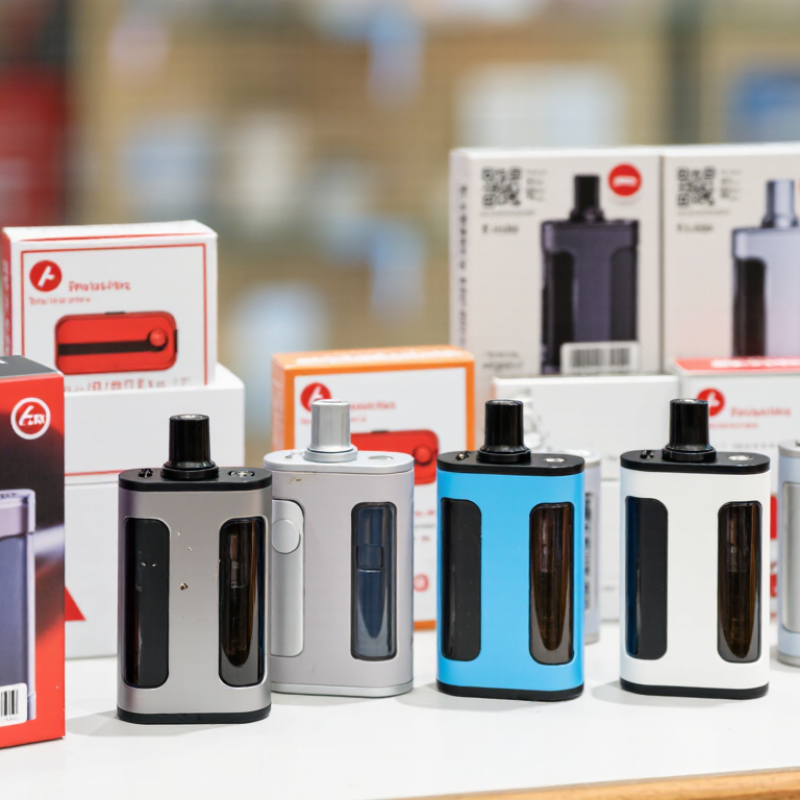
A genuine-looking package proves very little. OECD and EUIPO estimated that counterfeit goods represented 3.3% of global imports in 2019, worth about $464 billion. Vape products can therefore require more than a quick visual check. Start with the brand’s official website, not a search result or marketplace listing. Compare the printed product name, packaging design, warning details, and manufacturer information.
Check the batch code carefully. It should appear consistently on the box and device, with clear printing and no scraped, uneven, or re-applied label. Enter the code through the manufacturer’s official verification page. A QR code is not enough. It may open a copied website. Type the web address manually, then confirm the code, product variant, production date, and market information. Contact the manufacturer through its published email or telephone number when the result is unclear.
Look for alignment, not just presence. The company name, address, batch format, and product description should match official records. A mismatch matters. So does silence.
The WHO’s 2023 tobacco trends report highlights the importance of reliable product information and regulated supply chains, although it does not authenticate individual devices. Keep the receipt and photograph the package before opening it. I would also question unusually low prices, but price alone cannot prove counterfeiting. Official confirmation remains stronger evidence than appearance.
Counterfeit goods are not a minor retail problem. The OECD and EUIPO estimated that fake products represented up to 2.5% of global imports, worth about $467 billion in 2021. This figure covers all product categories, not only vaping products. Still, it shows why careful packaging checks matter.
Start with the seal. It should sit evenly, without loose edges, excess glue, or broken shrink film. Check the barcode with a trusted retail or regulatory database when available. GS1 warns that a barcode identifies product information, but cannot prove authenticity alone. Look for a matching batch number, production date, and importer details. They should appear consistently on the box and device. Small differences can matter.
Read the warnings closely. Missing symbols, awkward grammar, faded ink, or incorrect nicotine statements deserve attention. Compare the package with current requirements in your country, because warning formats differ by market. A clean logo means little. I have seen packaging that looked convincing until the lot code used a different font and spacing. That kind of detail is easy to dismiss, and that is where my inspection could improve. Take a clear photo, ask the retailer for documentation, and avoid opening a product with broken seals or conflicting information. A barcode scan is only one clue.
Counterfeit vape products often imitate packaging, warning labels, and security seals. A practical check begins with the nicotine strength. Under the EU Tobacco Products Directive, nicotine liquid must not exceed 20 mg/mL. Treat this figure as a safety benchmark, not proof of authenticity. Local rules may differ, and a compliant-looking label can still be copied.
Read the strength carefully. “20 mg/mL” equals 2% nicotine, while “20%” means something very different. Look for a clear batch number, ingredient list, volume, manufacturer details, and an intact seal. Scan any verification code through the seller’s official system, if available. Avoid products with blurry printing, spelling mistakes, leaking liquid, or unusually cheap prices. A receipt and a regulated retailer provide stronger evidence than attractive packaging.
Tips: Compare the label with official product information before paying. Photograph the box if details seem inconsistent. Do not use a device with a damaged seal or unknown liquid. If the nicotine amount seems higher than 20 mg/mL, pause and check local requirements. Even careful buyers can miss subtle changes in fonts or codes. I would not rely on one clue alone; several small inconsistencies may reveal a counterfeit product.
Compare the nicotine strength printed on the package with the EU Tobacco Products Directive (TPD) limit of 20 mg/mL. Products labeled above 20 mg/mL exceed the EU limit for nicotine-containing e-liquids and should be treated as non-compliant.
Tank size is one of the quickest checks for a suspicious vape product. Under EU Tobacco Products Directive 2014/40/EU, disposable devices and cartridges should not exceed 2 mL. Refill containers should not exceed 10 mL. The European Commission’s 2021 report on the Directive’s application confirms these core packaging requirements. A tank marked “5 mL” deserves caution when sold for the EU market. Check the printed capacity, fill line, and product information together. Do not rely on a sticker alone. Poor printing, uneven symbols, or a missing volume statement can indicate weak quality control.
Measure the container visually against a familiar 2 mL reference, but remember that appearance can mislead. A large outer shell may hide a smaller reservoir. Check the sealed refill bottle, cap, and child-resistant closure. The EU Commission’s Safety Gate reports regularly show that non-compliant consumer products remain a market-surveillance concern, although not every irregular vape is counterfeit. That distinction matters. Ask for a clear receipt and traceable seller details. Compare the listed capacity with the official product documentation, if available.
I sometimes find this check uncomfortable. A neat box can still hide inaccurate information. If the device says 2 mL but holds noticeably more, pause before buying. Small inconsistencies matter. A missing batch code, blurred warning, or leaking tank should not be explained away as a harmless printing error.
A seller’s license is one of the strongest checks available. Visit the official regulator’s website for your region, not a link supplied by the seller. Search the business name, registration number, and listed premises. The details should match the shop, website, and receipt information. If the license is expired, missing, or linked to another business, do not proceed.
Then check the product in the regulator’s compliance database, where available. Look for the exact product name, manufacturer details, packaging information, and authorization status. Compare these records with the box in your hand. Check spelling, batch codes, warning statements, and required labeling. Small differences can matter. A genuine code does not always prove genuine packaging, because counterfeiters may copy real numbers.
Tips: Save screenshots of official records. Ask the seller for compliance documents. Check the database again before purchasing. Contact the regulator if details conflict.
Databases can be delayed or incomplete, so avoid absolute confidence. I have found that simple searches sometimes return several similar entries. Read every field carefully. A professional seller should answer clear questions without pressure. Be cautious when the price seems unusually low, the seal looks uneven, or the packaging feels cheaply printed. If anything remains uncertain, choosing not to buy is the safer decision.
Genuine-looking packaging proves very little. Compare the product name, warnings, design, and manufacturer details with official records.
Check that the code appears clearly on both the box and device. Enter it through the manufacturer’s official verification page.
No. A QR code may lead to a copied website. Type the official address manually and verify the product variant, date, and market.
The company name, address, batch format, product description, and manufacturer information should align. Silence or mismatch deserves caution.
Contact the manufacturer through its published email or telephone number. Keep the receipt and photograph the package before opening it.
Disposable devices and cartridges should not exceed 2 mL. Refill containers should not exceed 10 mL.
Not always. A large shell may hide a smaller reservoir. Check the printed capacity, fill line, and product documentation together.
Watch for blurred warnings, uneven symbols, scraped labels, leaks, missing batch codes, or inaccurate volume statements. Small details matter.
No. Price alone is weak evidence. Official confirmation is stronger, although I might still question a surprisingly cheap listing.
No. Some irregularities may reflect poor quality control or non-compliance. That distinction matters, but unclear products are still worth avoiding.
How to detect counterfeit vape products starts with checking whether the product can be matched to reliable official records. Confirm the manufacturer, batch code, and product details through authorized regulatory or company resources. Examine the packaging carefully for broken seals, unclear printing, missing warnings, inconsistent fonts, damaged labels, or barcodes that do not scan correctly. These signs may indicate poor quality or a product that has not passed the required checks.
For products intended for the EU market, compare the stated nicotine strength with the EU TPD limit of 20 mg/mL. Also verify that the tank capacity does not exceed 2 mL and that refill containers do not exceed 10 mL. Before purchasing, check whether the seller is licensed and whether the product appears in relevant regulator databases. If any information is missing, inconsistent, or impossible to verify, avoid the purchase and seek a compliant alternative from a properly authorized retailer.

Trivapix Vape