As the vaping industry continues to grow, the environmental impact of vape products has become a pressing concern. In 2022, industry reports indicated that over 60 million vape devices were sold annually in the U.S. alone. This raises the question: How to recycle vape products responsibly? Industry expert Dr. Maria Green emphasizes, "Vape products should not be treated like regular trash; they contain materials that can harm the environment."
Responsible recycling is not just idealistic; it is necessary. E-waste, including vape products, contributes significantly to global pollution. According to a study by the Environmental Protection Agency, electronic waste comprises about 70% of toxic waste in landfills. Yet, programs for recycling these products remain limited, prompting many users to discard them improperly.
The challenge lies in understanding the components of vape devices. Batteries, plastics, and metals require specialized recycling methods. Awareness of how to recycle vape products responsibly can lead to better practices and improve sustainability efforts. It is critical for consumers to seek out appropriate disposal options and advocate for better recycling solutions within the industry. Implementing these practices can significantly reduce the ecological footprint of vaping while promoting a more sustainable future.
Understanding the Components of Vape Products for Recycling
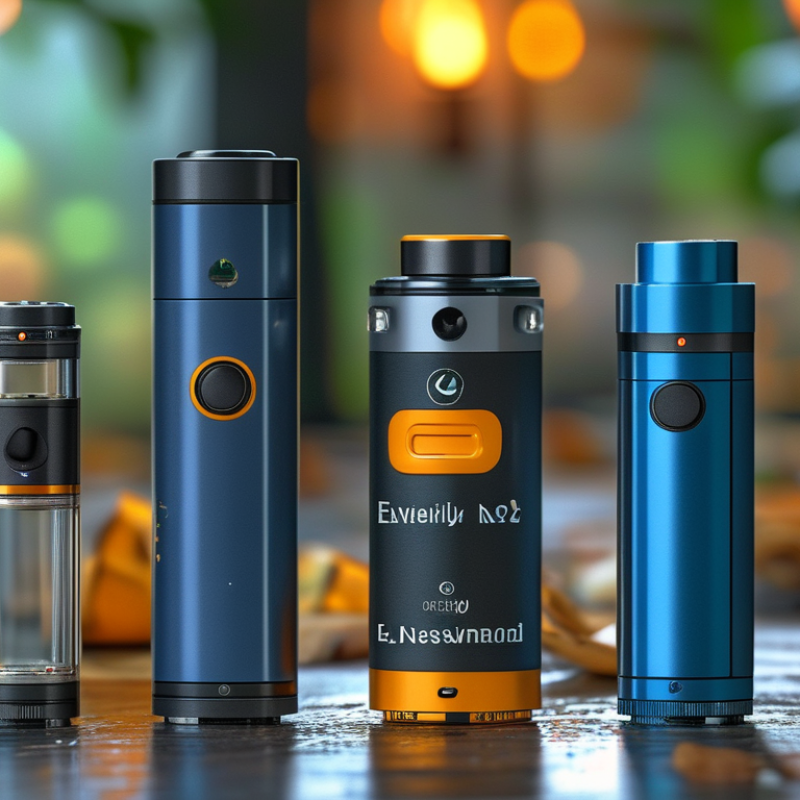
Understanding the components of vape products is crucial for responsible recycling. Most vape devices consist of batteries, plastic casings, and electronic circuits. Each component has a different recycling process. Unfortunately, many people dispose of vape products incorrectly. This leads to environmental damage.
Batteries in vape devices are hazardous if thrown in regular trash. They can leak harmful chemicals into the environment. Many recycling facilities accept lithium-ion batteries. Proper disposal is essential.
Plastic casings and packaging can often be recycled. Yet, many users overlook this step, leading to more waste.
Recycling programs vary by location. Some communities offer specific drop-off points for vape components. It's vital to stay informed about local rules. This knowledge can help the environment. However, the information isn't always clear. Not all vape users know about recycling options available to them.
Improving awareness is necessary for better recycling practices.
Identifying Local Regulations and Guidelines for Vape Recycling
When it comes to recycling vape products, understanding local regulations is crucial. Many regions have specific guidelines that dictate how these items should be disposed of. According to a 2022 report by the Environmental Protection Agency (EPA), approximately 1.5 million tons of e-waste were generated in the U.S. alone. This highlights the growing need for responsible disposal methods.
Local regulations can vary significantly. In some areas, waste management facilities accept vape devices and cartridges, while others require them to be taken to hazardous waste collection sites. A recent survey showed that only 22% of vape users were aware of their local recycling options. This indicates a gap in public knowledge that needs to be addressed.
Additionally, many users might underestimate the environmental impact of improper disposal. Lithium-ion batteries, commonly used in vape devices, can leak toxic substances into the soil and water. Continuous education on local recycling initiatives and clear guidelines is essential. Engaging with community programs can enhance awareness, fostering a culture of sustainability.
How to Recycle Vape Products Responsibly and Sustainably? - Identifying Local Regulations and Guidelines for Vape Recycling
| Region |
Materials Accepted |
Collection Frequency |
Disposal Method |
Local Resources |
| California |
Cartridges, Batteries, Devices |
Monthly |
Hazardous Waste Facility |
CalRecycle |
| New York |
Batteries, E-liquids |
Biweekly |
E-Waste Drop-off Sites |
NY DEC |
| Texas |
Devices, Cartridges |
Quarterly |
Recycling Centers |
TCEQ |
| Florida |
Batteries, E-liquids |
Every 6 months |
Household Hazardous Waste Events |
FL DEP |
| Illinois |
Cartridges, Rechargeable Batteries |
Monthly |
Special Collection Events |
IL EPA |
Methods for Disposing of Vape Batteries Safely and Responsibly
When it comes to disposing of vape batteries, safety and responsibility are paramount. Many people overlook proper disposal methods, which can lead to environmental damage. Vape batteries contain toxic materials that may leach into soil and water if not disposed of correctly. It’s crucial to understand the risks involved and take the necessary steps to mitigate them.
To recycle vape batteries responsibly, start by locating a designated recycling center. Many communities have facilities specifically for handling hazardous waste. Some stores also offer battery recycling services. Look for drop-off bins that are clearly labeled. Placing batteries in regular trash can lead to potential fires and pollution. If you’re unsure, check local regulations regarding battery disposal. Make a habit of storing used batteries in a safe place until you can recycle them.
You may find that recycling is not as convenient as tossing items in the trash. However, this effort is essential. It encourages sustainable practices and demonstrates care for the environment. Never ignore the importance of responsible disposal. Reflect on your choices; each responsible action contributes to a healthier planet.
Exploring Eco-Friendly Solutions for Vape Product Disposal
Vaping has become popular in recent years, and with it comes a significant environmental concern. A report from the World Health Organization indicates that around 1.5 million metric tons of vape-related waste is generated annually. Many users dispose of their products improperly, contributing to pollution. To mitigate this issue, exploring eco-friendly solutions for vape product disposal is vital.
Proper recycling is one way to lessen the environmental impact. Some packaging can be recycled, while batteries need special handling due to toxic materials. It’s essential to check local guidelines for recycling e-waste. In the United States, only about 20% of vape batteries are recycled properly. This leaves a large amount in landfills, where they can cause harm.
Tips: Use designated e-waste drop-off locations for batteries. Research local recycling options before disposal. If unsure, contact local waste management for guidance. Taking these steps can help build a sustainable future while reducing your carbon footprint.
Moreover, some companies offer take-back programs for vape products. This is an emerging trend that promotes responsible disposal. Consumers should encourage brands to adopt sustainable practices. While awareness is growing, there’s still a long way to go for effective waste management in the vaping industry. Each individual’s action can contribute to a larger change for our planet.
Educating Consumers on Sustainable Practices for Vape Use and Disposal
Vaping has become increasingly popular, but many are unaware of the environmental impact. Responsible disposal is crucial for sustainability. Many vape devices contain batteries and plastics that can harm our planet if not discarded properly. Educating consumers about responsible practices can foster better habits.
Promoting recycling initiatives is vital. Most communities have recycling programs for electronics. It’s essential to check if your local area accepts vape products. Consider returning used devices to stores that offer take-back programs. This is a simple yet effective way to minimize waste. Transparency in how these products are disposed of can boost consumer confidence.
Understanding the components of vape products is another step toward sustainability. Many parts can be recycled separately, but not all can be. Disassembling devices before disposal can help maximize recycling potential. However, this might seem daunting to some users. Encouraging more accessible resources and guidance can make it easier for everyone. A shared effort is needed to create a greener future.
Vape Product Recycling Awareness
Conclusion
The article "How to Recycle Vape Products Responsibly and Sustainably" provides a comprehensive guide on the responsible recycling of vape products. It begins by explaining the various components of vape devices, such as batteries and plastic parts, that can be recycled. Understanding local regulations and guidelines for vape recycling is essential, as these can vary by location and impact how consumers dispose of their products.
Furthermore, the piece emphasizes the importance of disposing of vape batteries safely to prevent environmental harm. It explores eco-friendly solutions for disposal, encouraging users to consider sustainable alternatives. Finally, the article advocates for consumer education on sustainable practices, highlighting the need to be informed about responsible recycling methods. Overall, it aims to guide readers on how to recycle vape products responsibly while promoting awareness and environmental stewardship.

 Trivapix Vape