Top 10 Reasons Why Sub Ohm Devices Produce Bigger Clouds?

Time:2026-05-22 Author:Ethan
0%

In the world of vaping, many enthusiasts wonder why sub-ohm devices give stronger clouds. Understanding the mechanics behind these devices can enhance your experience. Sub-ohm vaping involves using coils with resistances below one ohm. This setup allows for more powerful battery output and higher wattage, resulting in larger vapor production.

The ability to vaporize e-liquid more effectively is a key factor. Sub-ohm devices heat e-liquid rapidly, creating thicker clouds. Additionally, they typically use higher airflow designs. This means that more air interacts with the vapor, further enhancing cloud size. However, not all vapers achieve optimal results.

Some may struggle with the right balance of wattage and airflow. It requires experimentation to find what works best for each individual. Learning about the nuances of your sub-ohm device is essential. Ultimately, the joy of vaping comes from understanding what makes these devices tick.
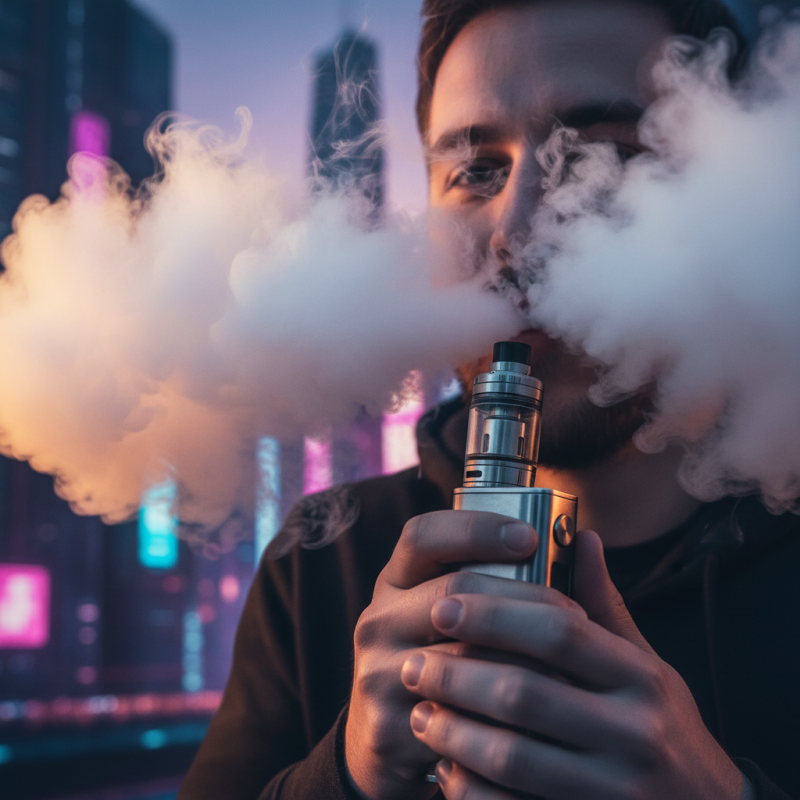
Top 10 Reasons Why Sub Ohm Devices Produce Bigger Clouds?

Advantages of Sub Ohm Coils in Cloud Production

Sub ohm devices are revolutionizing the vaping experience. These devices utilize sub ohm coils, which have a resistance below one ohm. This design allows for more power and greater vapor production. Higher power levels mean more energy is converted to heat, resulting in larger clouds. The thicker vapor also feels more substantial and flavorful, enhancing overall satisfaction.

The advantages of sub ohm coils extend beyond cloud size. They allow users to explore different e-liquids more effectively. Many enthusiasts enjoy experimenting with various VG/PG ratios. Thicker e-liquids produce smoother, denser vapor, while maintaining flavor integrity. However, the increased power also leads to faster e-liquid consumption. It forces vapers to stay vigilant about their usage.

There is a learning curve involved in using sub ohm devices. New users might find the technique challenging at first. The rich vapor and complex flavors can be overwhelming. Vaping enthusiasts must practice to master their technique. Balancing airflow and wattage settings can require several adjustments. Each session offers an opportunity for growth and improvement.

Understanding the Role of Wattage in Vapor Volume

Wattage plays a critical role in the vapor volume produced by sub ohm devices. Higher wattage settings allow the coil to heat up more, effectively vaporizing liquid at a faster rate. This results in larger, denser clouds. When you increase wattage, more power is delivered to the coil. This heat transforms liquid nicotine into vapor, expanding the cloud size significantly.

There’s a balance to strike with wattage. Too high can burn your coil, leading to an unpleasant taste. Adjusting wattage requires some trial and error. It's wise to incrementally increase wattage and observe the results. Finding your optimum setting can enhance your vaping experience dramatically.

Tip: Always prime your coils before use. Saturating the wick ensures smoother vapor production. Another helpful hint is to choose e-liquids with higher vegetable glycerin content. VG helps create thicker clouds, enhancing volume without compromising flavor. Adjustments are key; experimentation is part of the journey in discovering what suits you best.

The Impact of E-Liquid VG/PG Ratios on Cloud Size

The VG/PG ratio in e-liquids plays a crucial role in vapor production, particularly in sub ohm devices. VG, or vegetable glycerin, is thicker and has a higher viscosity than PG, or propylene glycol. This thickness allows VG to hold more liquid, resulting in denser clouds. When using a sub ohm setup, the higher VG content can enhance the vapor output, making each puff feel fuller and richer.

Achieving the perfect VG/PG balance can be tricky. A common ratio for cloud chasing is 70% VG to 30% PG. However, exceeding this ratio can lead to wicking issues. If the e-liquid is too thick, it may not flow efficiently to the coils, causing dry hits. This is something many users overlook when seeking bigger clouds. The desired cloud size often comes at the cost of experience, requiring careful adjustments and experimentation.

Additionally, the flavor can be affected by the VG/PG ratio. Higher PG levels can intensify flavor but produce thinner vapor. Finding a personal preference is essential. Some users may prefer denser clouds, while others might lean toward a more flavorful vapor experience. It's worth noting that experimentation is needed to achieve the ideal balance for your individual vaping style.

Top 10 Reasons Why Sub Ohm Devices Produce Bigger Clouds

Reason Impact on Cloud Size Recommended VG/PG Ratio
High Power Output Allows for vaporization of more e-liquid 70/30
Lower Resistance Coils Increased vapor production with less power 80/20
Airflow Design Enhanced airflow allows for more vapor 70/30
Larger E-Liquid Capacity More e-liquid means longer vaping sessions 50/50
Wicking Speed Faster wicking leads to less dry hits 70/30
Higher Temperature Increases vapor density 80/20
E-Liquid Composition High VG content creates thicker vapor 70/30
Tank Design Optimized for vapor production and flavor 60/40
Temperature Control Prevents overheating, maintaining consistent vapor 70/30
User Experience Personal enjoyment affects consumption and cloud size Variable

How Airflow Design Enhances Vapor Production in Sub Ohm Devices

Airflow design plays a pivotal role in the performance of sub ohm devices, contributing significantly to vapor production. By allowing more air to mix with the vapor, these devices create denser clouds. Studies have shown that devices with optimized airflow can increase vapor volume by up to 50%. This is crucial for vapers seeking larger clouds and richer flavor experiences.

Increasing airflow reduces resistance, enhancing the overall efficiency of the device. When air flows smoothly through the coil, it helps regulate temperature. This process minimizes overheating, which can lead to burnt hits. Users often report that well-designed airflow systems provide a more satisfying experience. However, achieving the perfect balance is key; too much airflow can lead to a vapor that feels thin and lacks flavor.

Tips for maximizing your vapor production include experimenting with different airflow settings. Find a sweet spot that delivers both density and taste. Additionally, regularly clean your device to maintain optimal performance. Remember that the coil’s resistance and wattage settings also influence vapor output. Finding the right combination may take time and adjustment, but it’s worth exploring to enhance your cloud-chasing experience.

Comparative Analysis of Sub Ohm and Standard Vaping Devices

Sub ohm devices have become increasingly popular due to their ability to produce larger vapor clouds compared to standard vaping devices. This increased cloud production results from the lower resistance coils used in sub ohm systems. When the resistance is decreased, more power is delivered to the coil. This generates more heat and vaporizes a larger amount of e-liquid quickly. Therefore, users can enjoy denser clouds that give a more substantial visual effect.

In contrast, standard vaping devices typically operate at higher resistances. These higher resistance coils provide less power, resulting in smaller clouds. The amount of vapor produced depends on various factors, including wattage settings and liquid viscosity. Users may experience limitations in flavor and throat hit when using standard devices. While sub ohm vaping can be more satisfying for cloud chasers, it also requires careful handling due to the increased power demands.

However, the strong allure of bigger clouds comes with challenges. Not all users may prefer the intense experience sub ohm devices provide. Higher wattage can mean quicker battery depletion, requiring more frequent recharging. Additionally, the use of thicker e-liquids might lead to clogs or dry hits, which can detract from the overall experience. As vaping culture evolves, it's essential for consumers to weigh their preferences against these factors for an informed choice.

FAQS

: What is the effect of VG/PG ratio on vapor production?

: The VG/PG ratio influences vapor size and density. Higher VG results in denser clouds.

Why is VG thicker than PG?

VG, or vegetable glycerin, has a higher viscosity than PG, leading to more liquid storage.

What ratio is commonly used for cloud chasing?

A popular ratio is 70% VG to 30% PG, but too much VG can cause wicking issues.

How does airflow design affect vapor production?

Optimized airflow enhances vapor mixing, increasing cloud density by up to 50%.

What happens if there's too much airflow?

Excess airflow can produce thinner vapor and less flavor, affecting the overall experience.

How can I maximize vapor production?

Experiment with airflow settings and regularly clean your device for better performance.

Why do sub ohm devices produce larger clouds?

They use lower resistance coils, which generate more heat and vaporize more e-liquid quickly.

Are there downsides to using sub ohm devices?

They can drain batteries faster and may cause clogs with thicker e-liquids.

What are common challenges with cloud chasing?

Achieving the right VG/PG balance and managing power demands can be tricky and requires adjustment.

What should I consider before choosing a vaping device?

Weigh your cloud preferences against potential issues like battery life and liquid viscosity.

Conclusion

Sub-ohm devices have gained popularity among vapers primarily due to their ability to produce significantly larger vapor clouds. The advantages of sub-ohm coils in cloud production stem from their low resistance, which allows for higher wattage and greater power delivered to the coil. This increase in wattage contributes to a substantial rise in vapor volume, making it a key factor in understanding why sub-ohm devices give stronger clouds.

Moreover, the VG/PG ratios of e-liquids play a critical role in cloud size, as higher VG concentrations typically lead to denser clouds. The airflow design in sub-ohm devices further enhances vapor production by providing optimal routes for airflow, ensuring that vapor is efficiently expelled. A comparative analysis of sub-ohm and standard vaping devices reveals that the former’s engineering and operational principles are specifically tailored for maximum cloud generation, establishing them as the go-to choice for cloud chasers.

Ethan

Ethan

Ethan is a seasoned marketing professional with a deep expertise in our company's innovative product line. With a passion for sharing knowledge and insights, he takes the lead in regularly updating our corporate blog, where he explores industry trends, product features, and effective marketing......