Vaping has surged in popularity, leading to many questions about vape battery longevity. A crucial topic is "What is the lifespan of vape batteries?" This depends on several factors, including usage habits and battery type. According to industry expert Dr. Lisa Hartman, a renowned lithium-ion battery researcher, "The lifespan of vape batteries can range widely, but proper care significantly extends their usability."
Most vape batteries have a lifespan measured in charge cycles, typically between 300 to 500 cycles. A cycle is defined as a full discharge followed by a complete recharge. Frequent charging, using high-wattage devices, and exposure to extreme temperatures can shorten this lifespan. Data from the American Vaping Association indicates that the average battery lasts about 1 to 2 years under regular use.
Understanding battery care is vital. Overcharging and leaving batteries in heat can lead to reduced capacity and safety risks. By actively managing these factors, users may enjoy their vape devices longer. Nonetheless, many still overlook basic maintenance practices, raising concerns about their safety and efficiency. This inconsistency highlights the need for greater awareness and education on best practices for battery care.
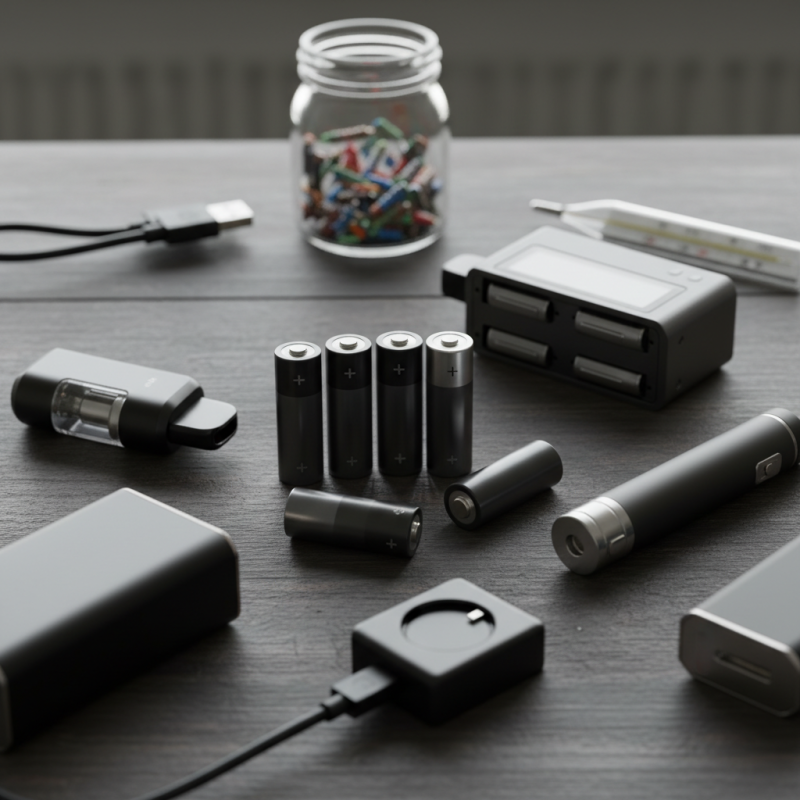
Vape battery lifespan can vary significantly based on several factors. Understanding these elements is crucial for optimizing usage. Typically, a standard vape battery lasts between 300 to 500 charge cycles. This equates to about one to three years of regular use. The type of battery chemistry plays a role in longevity. Lithium-ion batteries are commonly used due to their efficiency and extended lifespan.
Charging habits also impact battery life. Frequent overcharging can lead to thermal degradation. Reports indicate that batteries lose about 20% of their capacity over time due to such practices. Conversely, regularly discharging the battery to very low levels can cause similar damage. Finding a balance in charging practices is important for longevity.
Temperature extremes affect batteries as well. High temperatures can accelerate degradation, while cold conditions can temporarily lower performance. Studies show that optimal storage conditions keep batteries functioning longer. Additionally, not all vape devices utilize batteries efficiently. A poorly designed device can lead to unnecessary energy consumption, reducing overall battery life. Understanding these aspects empowers users to make informed decisions about their devices.
Vape battery longevity is influenced by several critical factors. One major aspect is battery capacity, measured in milliamp hours (mAh). Higher capacity often leads to longer use between charges. For example, a battery with 3000 mAh could last a day or more for average users, while a 1000 mAh battery may require daily charging. The type of vape device also plays a role; sub-ohm devices consume more power, draining batteries faster.
Temperature is another important variable. Batteries typically perform best at room temperature. Extreme cold or heat can reduce battery efficiency. A study from the Journal of Power Sources notes that operating at higher temperatures accelerates chemical reactions, potentially shortening lifespan. Furthermore, charging habits impact longevity. Frequent overcharging can degrade battery life. It is often recommended to unplug the device once fully charged to prevent unnecessary wear.
Lastly, usage frequency and vaping style contribute significantly to battery health. Heavy users may find their batteries dying faster than casual vapers. Additionally, frequent high-wattage settings can also affect performance. The key is maintaining a balance, ensuring proper care and use for optimal battery longevity. Regularly checking battery terminals for damage can help avoid performance issues.
When it comes to vape batteries, the lifespan can vary significantly based on their type. Lithium-ion batteries, the most common in vaping, generally last between 300 to 500 charge cycles. However, factors like usage patterns and charging habits can influence longevity. Regular heavy usage may push the lifespan closer to the lower end of this range.
Other battery types, such as nickel-metal hydride or non-rechargeable options, tend to have shorter lifespans. Non-rechargeable batteries last until depleted, often measured in hours or puffs. It's essential to know your battery type to manage expectations regarding its lifespan effectively.
Tips for extending your vape battery’s life include not letting it fully discharge and avoiding extreme temperatures. Always charge your battery after use, but don’t leave it plugged in overnight. Observing these practices can make a significant difference. Regularly check for any signs of damage or wear. A well-maintained battery remains reliable for longer. Remember, reflecting on your vaping habits will help you find ways to optimize battery life.
Charging habits significantly influence vape battery lifespan. Research shows improper charging can reduce battery life by up to 30%. Overcharging is a common mistake. Leaving a vape plugged in overnight is tempting but detrimental. It generates excess heat. Higher temperatures accelerate chemical reactions in the battery, leading to degradation.
Experts recommend using a high-quality charger. It helps manage the charging process. Slow charging is preferable. This approach charges the battery fully without overwhelming it. A study from Battery University highlights the importance of charge cycles. Limiting charge cycles to 300 can double battery lifespan.
Frequent deep discharging can also harm vape batteries. Keeping the battery between 20% and 80% of its capacity is ideal. This practice maintains optimal health over time. Many users overlook this detail, which can lead to issues. Consistency is key to prolonging vape battery life. With mindful habits, users can maximize performance and longevity.
Vaping is increasingly popular, but battery care is often overlooked. To extend vape battery life, proper practices are essential. First, avoid extreme temperatures. Batteries thrive in moderate conditions. Excess heat or cold can damage them.
Charging habits also play a significant role. Use a quality charger and avoid overcharging. Leaving batteries plugged in overnight may seem convenient, but it shortens lifespan. Regularly check the connections for dirt or debris. Clean connections can improve performance.
Furthermore, be mindful of usage patterns. Frequent deep discharges can weaken batteries. It’s better to recharge when they reach about 20% capacity. Additionally, rotating multiple batteries can help distribute wear and tear. Remember that batteries degrade over time, so even the best practices can’t stop aging completely. Reflecting on these aspects can lead to a more enjoyable vaping experience.
| Battery Type | Average Lifespan (Charges) | Factors Affecting Lifespan | Best Practices |
|---|---|---|---|
| 18650 | 300-500 | Temperature, Charging Habits, Quality | Avoid deep discharges, Store in cool place |
| Built-in Battery | 200-300 | Usage Frequency, Device Type | Charge regularly, Avoid extreme temperatures |
| LiPo (Lithium Polymer) | 150-300 | Overcharging, High Discharge Rates | Use a proper charger, Monitor performance |
| Standard Lithium-ion | 500-1000 | Temperature, Manufacturing Quality | Keep terminals clean, Avoid complete discharge |
: A standard vape battery lasts between 300 to 500 charge cycles. That's around one to three years of regular use.
Battery capacity, measured in milliamp hours (mAh), affects how long it lasts between charges. Higher capacity means longer use.
Poor charging habits can reduce battery life by up to 30%. Overcharging and deep discharging are common mistakes.
Yes, extreme temperatures can lower efficiency. Batteries perform best at room temperature.
Unplugging the device once fully charged is crucial. Slow charging can help avoid overheating and prolong battery life.
High-wattage settings can drain batteries faster. Balance is key for maintaining battery health over time.
Regularly checking battery terminals for damage helps avoid performance issues. It's a small habit that can make a difference.
Leaving it plugged in overnight leads to excess heat. This can degrade the battery over time, be cautious.
Keeping the battery between 20% and 80% maintains optimal health. Many users ignore this, risking battery longevity.
Yes, poorly designed devices consume more energy. This reduces overall battery lifespan and efficiency, so choose wisely.
When considering "What is the lifespan of vape batteries," it’s essential to understand the various factors that influence battery longevity. The lifespan can vary based on the type of battery used, with lithium-ion batteries typically lasting longer than others. Factors such as usage patterns, charging habits, and overall battery maintenance play significant roles in determining how long these batteries will last.
To maximize the durability of vape batteries, adopting best practices is crucial. This includes avoiding overcharging, keeping the battery at appropriate temperatures, and following proper charging protocols. Regular maintenance and mindful usage can significantly enhance the lifespan of vape batteries, ensuring they function optimally for an extended period.

Trivapix Vape